Jama'at Islah-ul-Muslimeen has a well-defined, multi-tiered organizational structure that brings together a vast number of branches and members under a unified banner — from the national Central Body down to area-level branches.
This structure ensures consistent spiritual guidance, efficient administration, and direct access to the Jama'at's mission at every level — whether in a major city or a remote community across Pakistan or abroad.
National leadership — Patron-in-Chief, President, VP, Secretary, and core executive members.
Sindh, Punjab, KPK, Balochistan — each with provincial leadership coordinating regional activities.
District-level units managing local branches, events, and direct member engagement across cities.
Grassroots branches — the foundation of the Jama'at, conducting regular Zikr sessions, dars, and community outreach.
International Chapters — The Jama'at also operates in the United Kingdom, UAE, and other countries, extending this organizational framework globally.
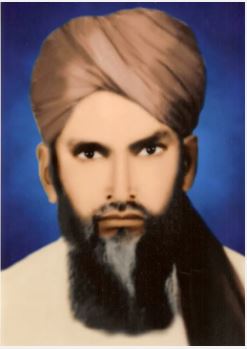
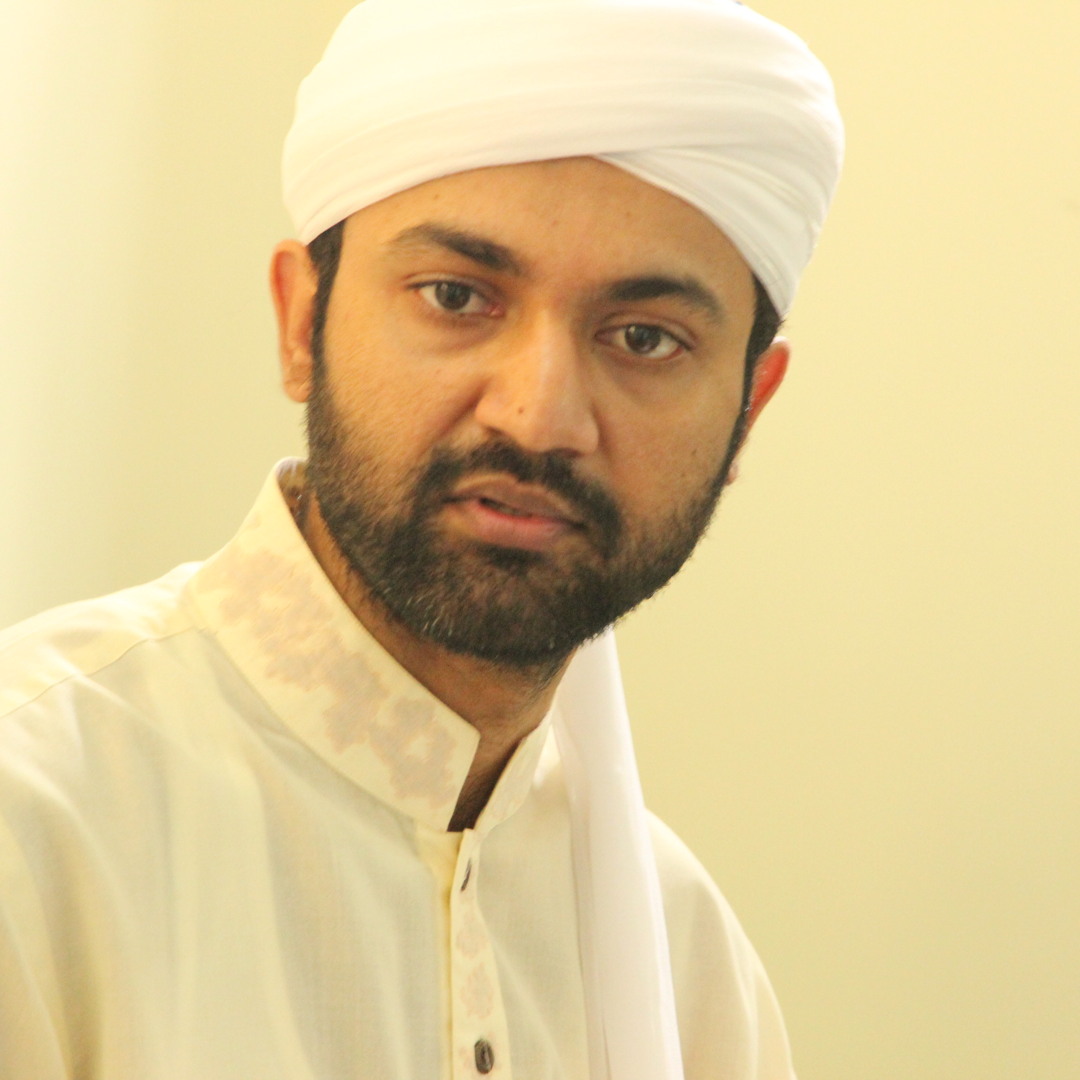
Guided by devoted leaders who serve the Jama'at with sincerity and commitment.
Jama'at Islah-ul-Muslimeen is supported by dedicated sister organizations, each playing a vital role in the spiritual, educational, and social upliftment of the Muslim community.
The Jamaiyat Ulema Tahiriya is a distinguished body comprising Islamic scholars, teachers, and Imams drawn from various religious institutions. Its members are custodians of sacred knowledge — deeply grounded in Quran, Hadith, and Fiqah. The organization is responsible for guiding the Muslim community according to the Quran and Sunnah, and is actively engaged in scholarly discussions, public seminars, and religious research, addressing contemporary challenges facing the Ummah.
The Roohani Talaba Jamaat (RTJ) was founded with the vision of nurturing the moral, spiritual, and educational development of the younger generation. Comprising students from schools, colleges, and universities, RTJ provides a platform for youth to participate in educational activities, Dars sessions, Qirat and Naat competitions, and community service. What makes RTJ truly distinctive is that it is managed entirely by its student members — cultivating leadership and organizational skills within the youth themselves.